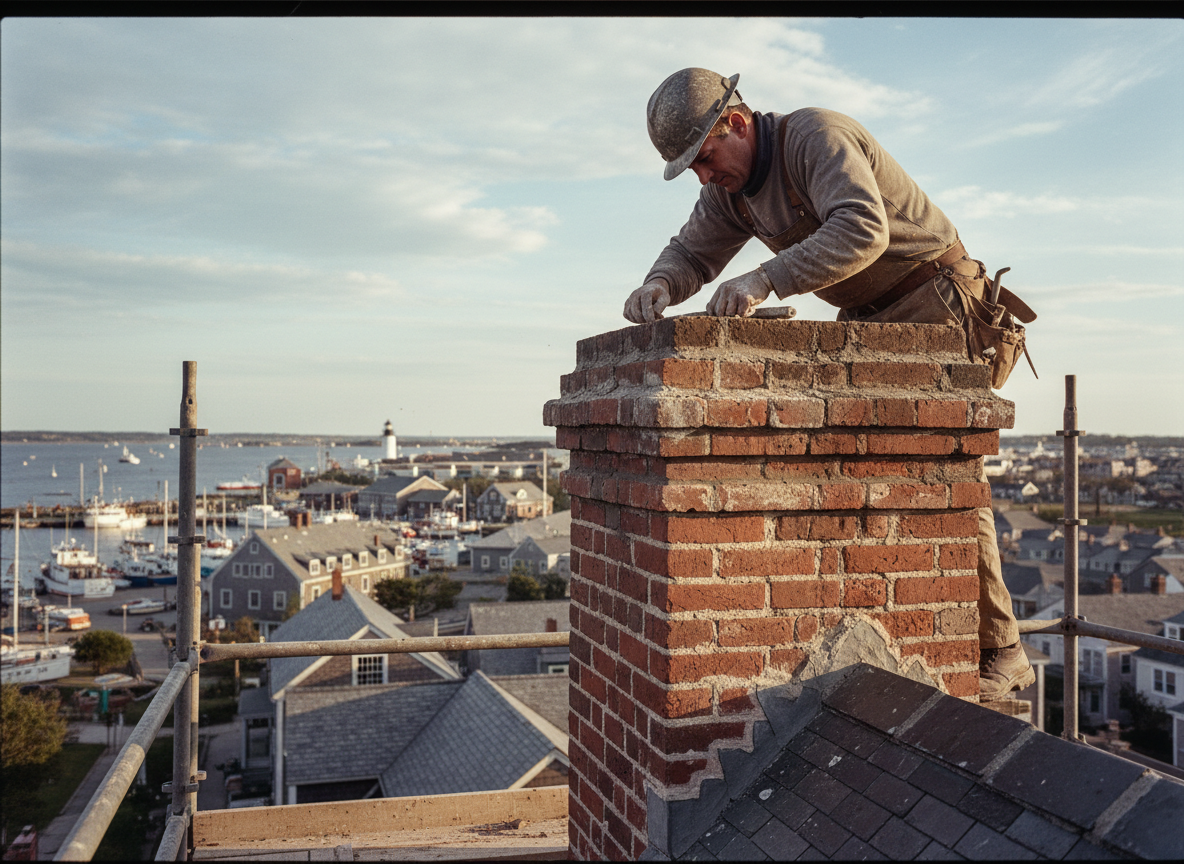
Chimney masonry in Gloucester City homes often shows spalling brick and deteriorated mortar joints due to the age of the housing stock built between the 1920s and 1960s. These structures sit close to the Delaware River, where repeated freeze-thaw cycles and wind-driven moisture accelerate joint failure. Repair work here requires matching original brick sizes and using Type N mortar to maintain breathability while preventing further water intrusion into the flue.
Edge cases frequently encountered include chimneys that lean after decades of settling on clay-heavy soils common in Gloucester County. Partial rebuilds may be needed when the crown has cracked and allowed water to pool behind the flue tile. Technicians must check for proper flashing integration at the roofline to avoid creating new leak paths during masonry work.
Local code enforcement in Gloucester City requires permits for any structural masonry changes that affect the chimney height or liner. Homeowners should expect inspection of the smoke chamber and damper area during repair because hidden damage there often leads to carbon monoxide risks if left unaddressed. Work is performed from the 523 Cumberland St base with 24/7 availability for emergency stabilization after storms.
Materials matter on these jobs. High-temperature refractory cement is used for crown repairs while traditional lime-based mortars are preferred for historic brick to avoid trapping moisture. Every project includes removal of loose debris and installation of new weep holes where needed to allow drying after heavy rain common in the Gloucester area.
Technician insight
In Gloucester, the thing that catches most people out with chimney masonry repair is how the older brick homes along Cumberland Street and in the surrounding neighborhoods trap moisture behind failed crowns because the original clay tile liners were never designed for today's frequent heavy rains and freeze cycles.
Leaning Chimney on Powell Street
Homeowner noticed cracks widening after winter. Inspection found the chimney had settled on the clay soil typical in Gloucester City, with multiple open joints allowing water behind the flue. We rebuilt the upper third with new brick and a reinforced crown, then tied the structure back to the roof framing. The chimney now stands plumb and the interior leaks stopped.
How it works
- 1
Initial Assessment
Technician inspects the chimney exterior and interior from the roof and cleanout, checking for spalling, loose bricks, and water staining in Gloucester City homes.
- 2
Masonry Preparation
Remove deteriorated mortar and damaged brick while protecting the roof and surrounding areas from debris.
- 3
Repair Execution
Tuckpoint joints, rebuild crown sections, or replace individual bricks using materials matched to the existing chimney construction.
- 4
Final Inspection and Cleanup
Verify proper sealing and drainage, then clean the work area and confirm the flue remains clear for safe operation.
Pricing
Upfront quotes provided after on-site inspection of the specific chimney condition.